
Technology
Why a closed loop changes operating costs
Continuously regenerating the cleaning fluid rather than discarding it after each bath: a design choice that is felt mostly over time.
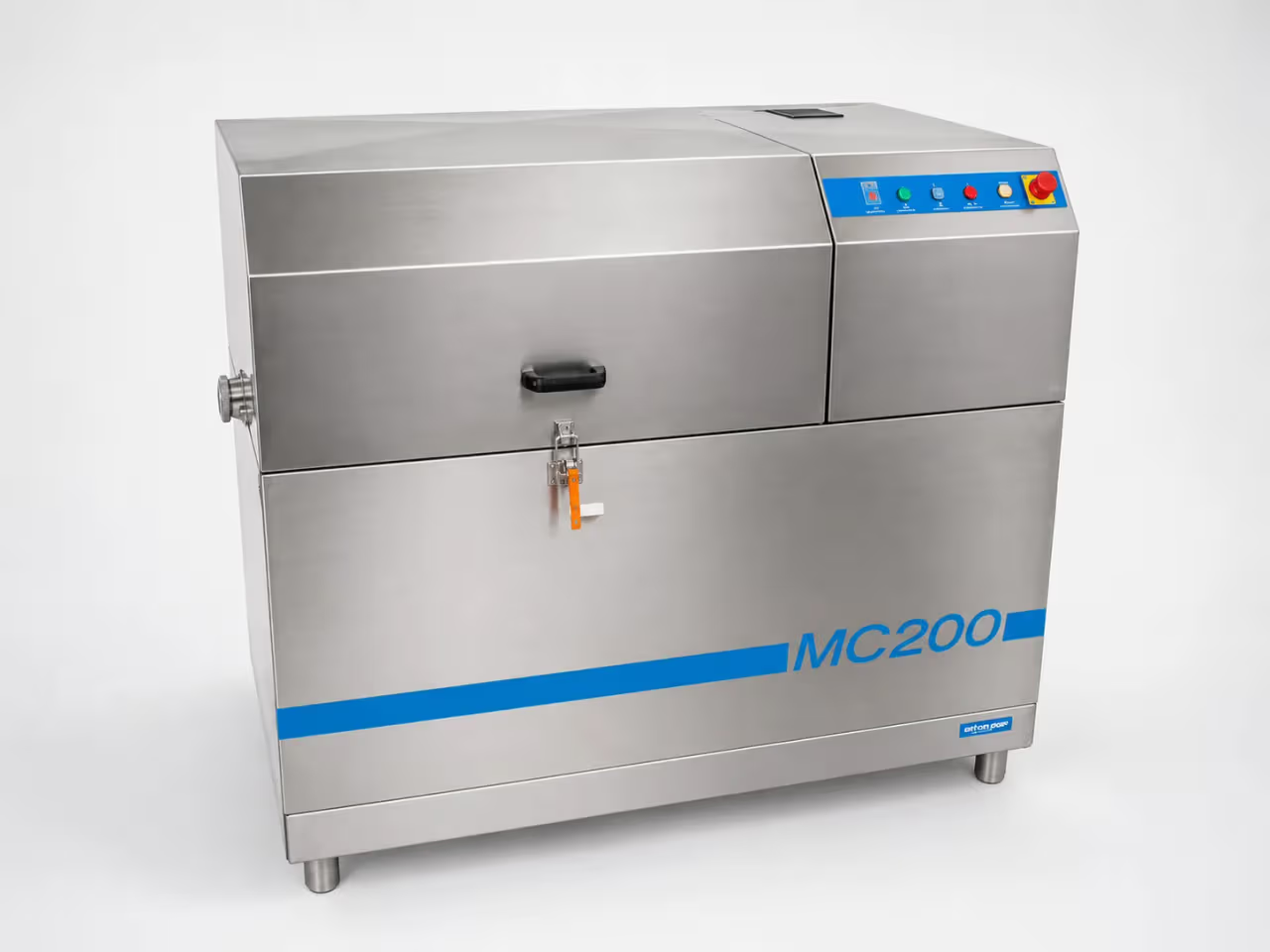
At the time of purchase, machines are often compared on price. In use, what weighs most is operating cost: cleaning fluid consumption, discharge management, downtime for draining. This is precisely where the closed loop makes the difference.
Open loop or closed loop: the difference
In an open loop, the bath fills with contaminant over the cycles and is then replaced. In a closed loop, the cleaning fluid is continuously filtered and regenerated: it stays usable for longer, which stabilises the process and reduces how often the bath must be drained.
Where the cost shifts
- Consumables: a regenerated bath is renewed less often.
- Discharge: a reduced volume of spent bath limits effluent treatment.
- Availability: fewer drain-downs, so more productive machine time.
- Quality: a bath with stable composition gives consistent cleaning.
A design choice, not an option
A closed loop is not an accessory you add on: it is a machine architecture, designed around filtration and regeneration. That is why it is decided when choosing the equipment.
Related products
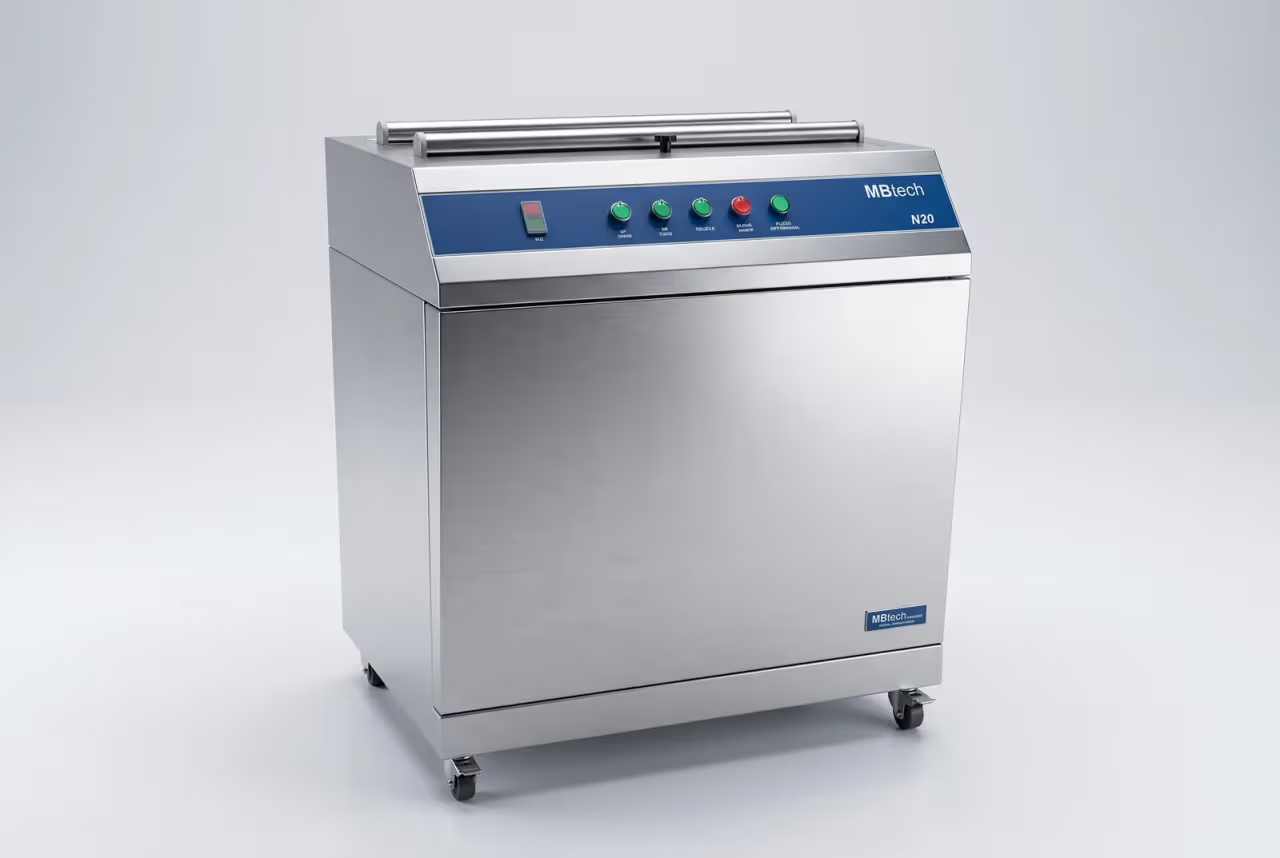
N29
High precision cleaning of screen printing stencils
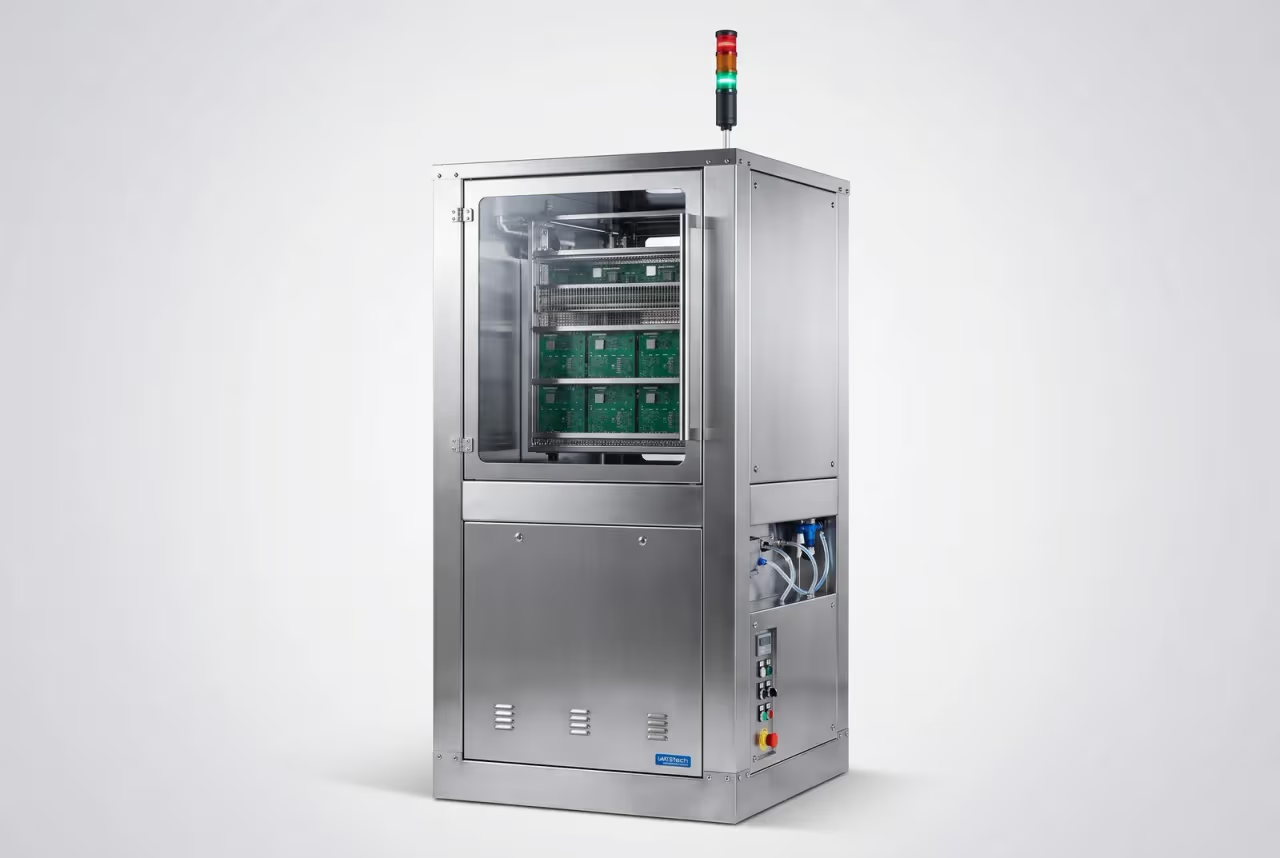
NC25
Flux removal and cleaning of electronic boards by submerged jets
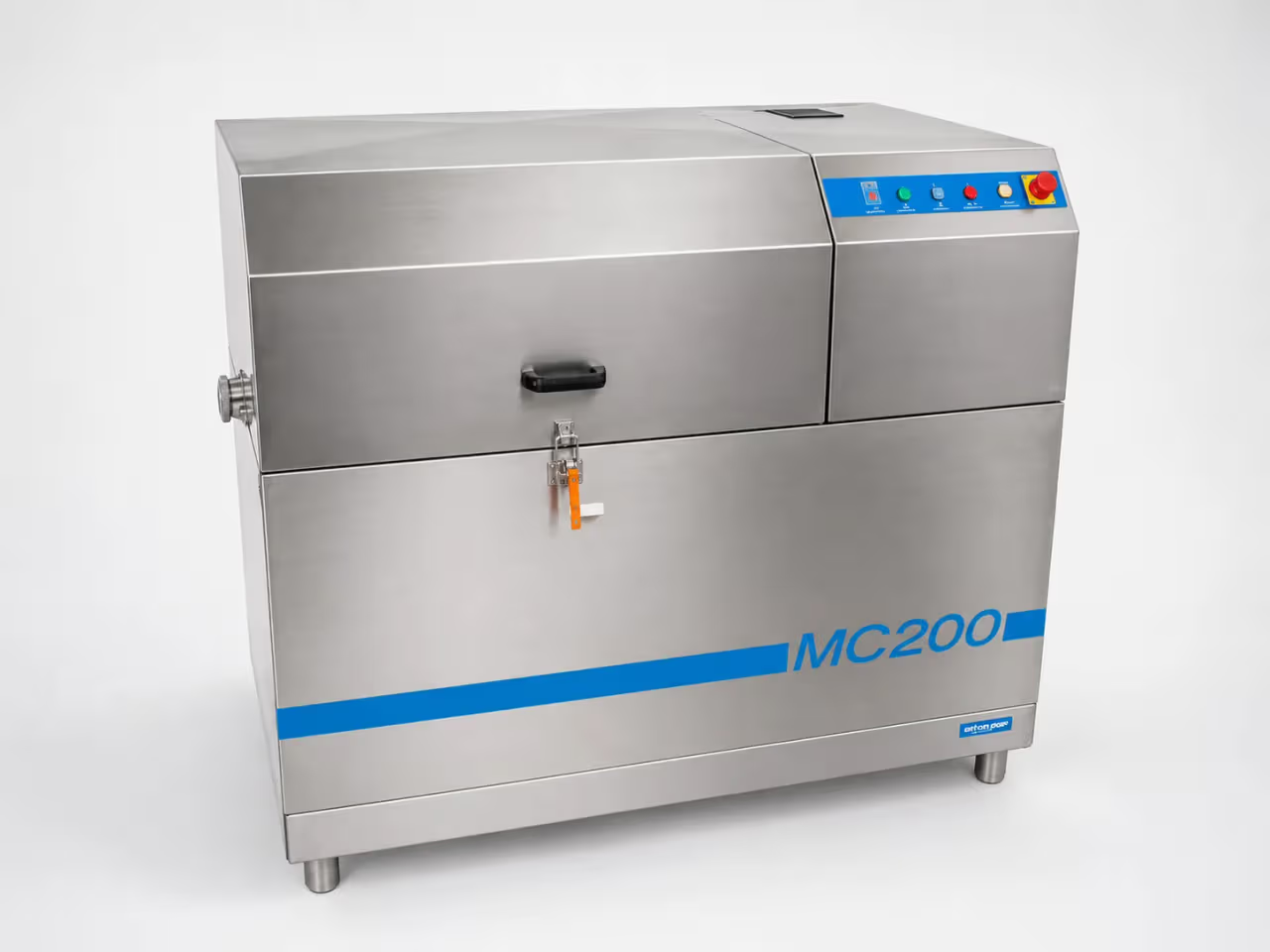
MC200
3-direction spray cleaning of frames and maintenance parts
Frequently asked questions
Does a closed loop really save money?
It shifts cost from discarded consumables to control of the regenerated bath. The real saving depends on the contaminant, the volume and the throughput: it is estimated by measurement, not by a generic promise.
Further reading

News
MBtech: technological mastery and know-how serving industrial cleaning
MBtech, a key player in industrial cleaning, combines innovative technologies with respect for the environment for sustainable, effective solutions.

News
MBtech: know-how and innovative technologies serving industrial cleaning
MBtech innovates with patented systems such as closed-loop filtration and submerged jets. From 3D design to traceability, it offers complete solutions for efficiency and sustainability.

Product
N29SA4: improve the efficiency of your selective stencil cleaning
Discover MBtech's N29SA4 for advanced automated cleaning of screen printing stencils, with automatic output and independent drying.
A cleaning project to discuss?
Tell us about your parts and your constraints. Our process specialists will get back to you.
Talk to an expert